
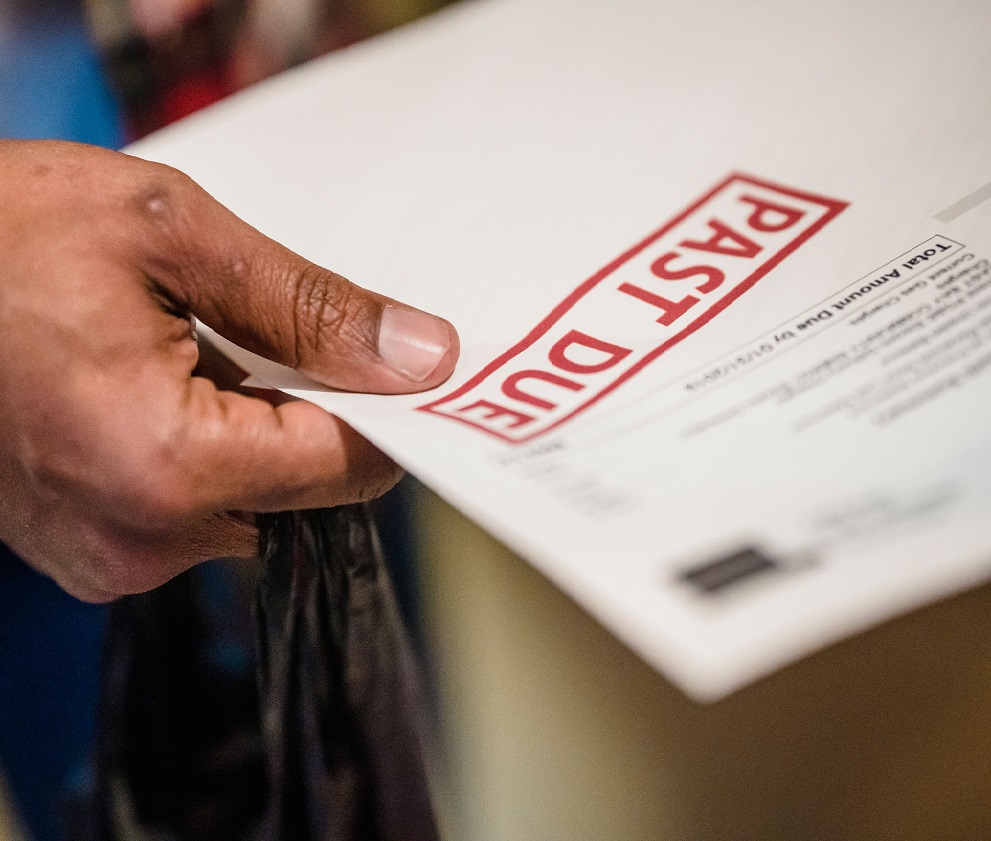
Opening the post to find a statutory demand is an unsettling experience. The document is formal, the language is legal, and the implications sound severe. But receiving a statutory demand is not the end of the road. It is, however, a prompt to act — and the 21 days that follow are critical.
This guide explains what a statutory demand is, what it means for your company or for you personally, and the steps you should take before that window closes.
What Is a Statutory Demand?
A statutory demand is a formal written notice served by a creditor — a person or organisation to whom money is owed — requiring payment of a debt. For companies, the demand is governed by the Insolvency Act 1986. For individuals, including company directors with personal guarantees, the same framework applies but through the personal insolvency route.
For a statutory demand to be valid, the debt must be for a liquidated (fixed) sum, it must be undisputed, and it must meet the relevant threshold — currently £750 for companies and £5,000 for individuals following changes introduced in 2020.
The demand itself does not go to court. It is a precursor. If it is not satisfied, set aside, or otherwise resolved within 21 days, the creditor acquires the right to petition for the compulsory winding up of a company, or for bankruptcy in the case of an individual. At that point, the matter enters the court process and the options available to you narrow considerably.
Day One: Do Not Ignore It
This sounds obvious, but it bears stating clearly. A statutory demand that goes unanswered does not go away. Silence is not a strategy. Every day that passes without a response reduces your options and increases the creditor’s confidence in pursuing the next step.
Read the document carefully. Check that it is correctly addressed to you or your company, that the debt amount is stated clearly, and that the creditor’s details are complete. Note the date of service — this is when your 21 days begin. If the demand was served by post, there are rules governing when it is deemed received; an insolvency practitioner can advise you on this if the date is unclear.
Is the Debt Disputed or Incorrect?
If you genuinely dispute the debt — if the amount is wrong, if you have already paid, if there is a contractual disagreement, or if you have a valid counterclaim — this is important, and you should act on it immediately.
For individuals, it is possible to apply to court to have the statutory demand set aside on the grounds that the debt is disputed on substantial grounds. The application must be made within 18 days of service, leaving very little margin. You will need legal or insolvency advice to do this effectively — do not attempt to navigate the court process alone under time pressure.
For companies, there is no equivalent formal set-aside procedure, but a genuinely disputed debt can be challenged by applying for an injunction to prevent the creditor from presenting a winding-up petition. Again, this requires professional advice and prompt action.
If the Debt Is Valid: What Are Your Options?
If the debt is legitimate and you accept that it is owed, the question becomes how best to respond within the time available.
Pay in full — if the funds are available, settling the debt in full within the 21 days brings the matter to a close. Obtain written confirmation from the creditor that the demand is withdrawn upon receipt of payment.
Negotiate a repayment arrangement — creditors often prefer a realistic repayment plan over the cost and uncertainty of insolvency proceedings. Contact the creditor directly, or through an adviser, to propose terms. Any agreement should be documented in writing.
Consider a Company Voluntary Arrangement (CVA) — if the statutory demand is one symptom of wider financial pressure, a CVA may allow your company to restructure its debts and continue trading. A CVA requires the approval of creditors but, if agreed, binds all unsecured creditors to its terms. It is a genuine rescue tool for viable businesses facing temporary difficulty.
Take formal insolvency advice — if the debt cannot be paid and no arrangement can be reached, understanding your formal options before the 21 days expire is essential. Entering a structured insolvency process voluntarily, such as a Creditors’ Voluntary Liquidation (CVL) or administration, gives directors far more control over the outcome than waiting for a creditor to present a winding-up petition.
A Note for Directors on Personal Liability
If your company has received a statutory demand, the pressure on directors to take action to protect the business can sometimes lead to decisions that create personal risk. Continuing to trade whilst knowingly insolvent, making payments to preferred creditors, or disposing of assets at undervalue are all actions that can result in personal liability for directors if the company subsequently enters a formal insolvency process. Taking advice early is the best protection against this.